Securing Your Trademark in China: Exploring Two Application Paths

Securing a trademark in China can be a complex process, especially considering the country’s vast number of trademark applications. In this blog post, we will discuss two ways to obtain a trademark in China: the international way and the national way. Understanding the differences between these approaches can help you make an informed decision and streamline the application process.

1. International Way vs. National Way

When applying for a trademark in China, you have the option of choosing the international way or the national way.

The international way involves submitting a trademark application to the WIPO International Bureau through the office of origin. The application then undergoes formal examination by the Bureau and substantive examination by China’s Trademark Office (CTMO) under the Madrid Protocol. This approach allows overseas applicants to extend their trademark protection to China.

On the other hand, the national way involves hiring a Chinese trademark agent to apply directly with the CTMO. Upon approval, applicants receive a Certificate of Trademark granted by the CTMO (it is a digital copy now).

2. Understanding the Differences

In terms of substantive rights and protection, both the international way and the national way offer the same level of coverage. The trademarks are valid for ten years and can be renewed for subsequent 10-year periods. The differences lie mostly in procedural aspects.

Understanding the differences between the international way and national way can increase your chances of securing your trademark in China

3. Benefits of the National Way

In practice, many applicants prefer the national way for several practical reasons.

Firstly, the national way typically offers a faster application process. The international way can take 12-18 months from the date of international notification, while the national way usually takes around one year.

Secondly, if you choose the international way, you will receive a certificate issued by WIPO, which is in English or French. However, Chinese administrative authorities and courts require Chinese language documents as proof of your rights. To enforce your rights or expedite proceedings with local authorities, you will need to obtain a certificate from the CTMO, which is in Chinese. This process can take three months or longer.

Additionally, some local agencies or institutions may only recognize certificates issued by the CTMO through the national way, which displays the national emblem of the People’s Republic of China. Convincing them of the validity and rights associated with documents obtained through the international way can be time-consuming. ( You may check our previous post for more information: Filing a Trademark Application in China

4. Importance of Timely Application

The number of trademark applications in China is continually increasing, making it increasingly difficult to secure desired trademarks. For example, in 2017 alone, over 5.7 million trademark applications were filed with the CTMO, representing a 55% increase from the previous year. Consequently, available trademarks are becoming scarce, and the registration process can be lengthy.

Recent years, the CTMO have tried to speed up their reviewing, in an effort to make sure the average processing time not exceed one year. This timeline can further extend if objections or oppositions arise. Therefore, it is advisable not to delay your application.

When seeking to register a trademark in China, it is essential to choose the most suitable application path. The international way and the national way each have their advantages and considerations. By understanding the differences and acting promptly, you can increase your chances of securing your desired trademark in China.

The Significance of an Employment Handbook: A Comprehensive Analysis

Introduction: While most employers recognize the importance of a written employment contract, many fail to realize the critical role played by an Employment Handbook. In this law blog post, we will delve into the reasons why an Employment Handbook holds greater significance and explore its content, functions, and procedural requirements.

1. Content of the Employment Handbook

An employment contract is a standardized document that must adhere to specific clauses defined by labor laws and regulations. It typically includes information such as the parties’ details, employment terms, job responsibilities, working hours, remuneration, labor protection, and more. The employer has limited flexibility when drafting an employment contract due to legal requirements.

On the other hand, an Employment Handbook goes beyond the contractual obligations and embodies the enterprise’s culture. It outlines a set of behavioral standards for employees, specifying their rights, responsibilities, and the consequences of non-compliance. It serves as a crucial document for strengthening daily management within the organization.

Employment Handbook outlines a set of behavioral standards for employees, specifying their rights, responsibilities

2. Functions of the Employment Handbook

An Employment Handbook encompasses various management regulations and provides essential guidance for HR and administrative practices. It often includes sections on the enterprise’s culture, vision planning, and specific rules and procedures for employees. Areas covered may include employee requirements, recruitment processes, probation periods, leave procedures, termination of labor contracts, incentive systems, disciplinary actions, confidentiality, proprietary information, and a code of ethical conduct. Essentially, an employment handbook allows the enterprise to address all aspects of employee management comprehensively.

Moreover, an employment handbook explicitly defines prohibited behaviors. Violations of these regulations can result in verbal or written warnings and, in severe cases, termination of employment.

3. Procedure for an Effective Employment Handbook

Although the employer is responsible for creating the employment handbook, employee involvement is crucial for its binding effect on both parties.

Under the Labor Contract Law of the People’s Republic of China, regulations directly related to employee benefits, such as remuneration, working hours, rest, vacation, safety, social insurance, welfare, training, work discipline, or performance management, should be discussed with employees. The draft of such regulations should be deliberated upon at an employee congress or through consultations with all employees, leading to a final determination.

Employers must publicize the employment handbook and ensure that every employee understands its content. Complying with procedural requirements outlined in labor law is essential. Failing to do so can render the regulations ineffective, particularly in labor disputes. If the enterprise cannot demonstrate employee involvement and awareness of the employment handbook, it may not be deemed binding by arbitration committees or courts.

To mitigate potential issues, it is advisable for employers to maintain minutes of discussions and consultations regarding the employment handbook. Additionally, each employee should sign an acknowledgment confirming their understanding of all the clauses within the handbook.

Recognizing the significance of an Employment Handbook is vital for employers seeking effective employee management. While an employment contract adheres to legal requirements, an employment handbook expands upon these obligations and provides detailed guidelines, reinforcing organizational culture and promoting compliance. By following proper procedural requirements and ensuring employee involvement, employers can establish a robust and binding employment handbook, safeguarding their interests and avoiding potential pitfalls in the future.

Case Study: Understanding the Implications of Workplace Sexual Harassment

Zheng, a sales manager at Company A, was involved in a situation concerning workplace sexual harassment. The company had established policies and mechanisms to prevent such incidents, and Zheng had received relevant training. The “Code of Conduct” and the “Employee Handbook” of Company A emphasized the importance of creating a safe and non-retaliatory work environment, with clear disciplinary consequences for violations.

However, when a subordinate named Amy reported sexual harassment from her supervisor, Mike, Zheng chose not to get involved, stating, “I just don’t want to get involved in this.” Later, during a conversation with Amy, Zheng failed to address her complaints adequately and instead blamed her for the strained relationship with her colleague, Mike. Furthermore, Zheng requested the HR to terminate Amy’s labor contract without providing a valid explanation, which led to her suffering retaliation.

Following an investigation, Company A terminated Zheng’s employment due to his failure to fulfill his managerial duties, including supporting subordinates who reported harassment and making false statements during the investigation process.

Zheng filed for labor arbitration, seeking compensation for the termination of his contract. However, his request was rejected by the Labor Arbitration Committee and the court.

To effectively prevent workplace sexual harassment, employers should consider refine internal regulations and provide education

The court ruled in favor of Company A, highlighting that Zheng had signed a labor contract acknowledging the internal regulations and had a responsibility to uphold them. Additionally, the court found that Zheng’s actions, as supported by evidence including recorded conversations, demonstrated his failure to respond adequately to Amy’s complaints and his involvement in facilitating the harassment. As a result, the court concluded that the termination of Zheng’s contract was justified.

* Takeaway Message:

This case emphasizes the importance of employers taking reasonable measures to address complaints of workplace sexual harassment. If management personnel fail to respond appropriately or engage in conduct condoning harassment, and the employer terminates their contract for serious violations, the court is unlikely to consider the termination as illegal. ( You may

* Suggestions:

To effectively prevent workplace sexual harassment, employers should consider the following measures:

1.Refine internal regulations

Clearly define sexual harassment as a serious violation and establish grounds for terminating contracts based on such behavior.

      2. Clarify management personnel responsibilities

      Clearly outline the job responsibilities of management personnel regarding handling reports of sexual harassment, conducting investigations, and prohibiting retaliation.

        3. Education and training

        Conduct regular education and training sessions to raise awareness among employees about the company’s policies on sexual harassment prevention and treatment.

          4. Establish a complaint channel

          Create a dedicated institution or committee to receive and process complaints of workplace sexual harassment, providing employees with accessible channels to report incidents.

            * Employees should also take steps to protect themselves: (For more information, you may check our previous post: Female employee rights in China )

            1. Preserve evidence

            Safeguard evidence of harassment, such as audio recordings, video recordings, or chat records.

            1. Timely and comprehensive reporting

            Report incidents of harassment promptly and provide detailed information to the employer.

            By implementing preventive measures and promoting a supportive workplace culture, employers can effectively address and prevent workplace sexual harassment, ensuring a safe and respectful environment for all employees.

            Step by Step Guidance for Expats on Claiming Social Insurance Refund

            People often wonder if they can get a tax refund, but it’s important to understand that individual income tax is a mandatory duty and is generally not refundable, unless it’s overpaid.

            However, certain contributions made to pension and medical insurance accounts can be refunded if any expats don’t plan to work in China any more and wish to leave.

            There are specific procedures and documentation requirements that you need to follow. Here are the general steps to claim refunds for pension and medical insurance:

            1. Pension Refund

            a. Contact your employer or the local social security bureau:

            Inform them about your intention to claim a refund of your pension contributions.

            b. Gather required documents:

            Typically, you will need to provide your passport, work permit, residence permit, and a letter of intent stating your intention to claim the pension refund.

            c. Submit the documents:

            Visit the local social security bureau and submit the required documents along with any additional forms or paperwork they may require.

            certain contributions made to pension and medical insurance  can be refunded if any expats don’t plan to work in China and wish to leave

            d. Processing and approval:

            The social security bureau will review your application and process the refund. The timeline for approval and refund may vary depending on the specific province or city.

            2. Medical Insurance Refund

            (Note: In most cities, medical insurance is handled by the medical insurance center, and the refund needs to be claimed separately. Make sure you know the correct authority before proceeding):

            a. Contact the medical insurance center: Get in touch with the medical insurance center or the HR department of your employer to inquire about the refund process for medical insurance.

            b. Submit the documents: Submit the required documents as instructed. Typically, you will need to provide your passport, work permit, residence permit, and medical insurance card.

            It’s important to note that the specific procedures and requirements for claiming pension and medical insurance refunds may vary between provinces or cities in China. Therefore, it is advisable to consult with your employer, the social security bureau, or the medical insurance center for detailed information and guidance regarding the refund process.

            In some cities, it is possible to assign someone to handle the procedure on your behalf by issuing a power of attorney. It’s advisable to contact the relevant authorities to confirm whether you need to personally submit the documents or if someone else can do it for you.

            Another important point to consider is that if you have previously worked in a different city and have not claimed any refund, you may need to initiate the procedure 5-6 months in advance to transfer your pension to your current city. This is necessary in cases where social insurance is not connected across regions.

            Generally, there are a couple of scenarios to consider:

            1. In some regions, social insurance is interconnected. In such cases, all you need to do is claim the refund in the last city you worked in, and you will receive the entire refund for that region. For example, if you are currently working in Guangzhou but used to work in Foshan (another city in Guangdong province), once you submit your refund application, you will receive the full refund.
            2. However, if you previously worked in a city outside of Guangdong province, you may need to apply for a social insurance transfer with the local social insurance authority before claiming the refund. Whether or not the transfer can be successful depends on the policies of the other city. Some cities may be reluctant to transfer funds out, in which case you would have no choice but to claim the refund directly from them. Therefore, we recommend initiating the entire procedure at least 6 months in advance.

            Lastly, if you have worked for more than one employer, the name recorded in the social insurance system may not be consistent (such as the order of the name). Consequently, you may need to update the information before you can proceed with the refund claim.

            Useful link:

            Ministry of Human Resources and Social Security of the People’s Republic of China

            How to authenticate your degree in China online?

            When foreigners apply for China work permits ( You can check our previous post: Work Permit for Foreigners for more information) engage in other activities related to China, they may be required to authenticate their degrees if they were issued by overseas universities. There are several methods for foreigners to authenticate their degrees, including:

            1. Chinese consulate/embassy
            2. Foreign consulates in China
            3. Chinese Service Center for Scholarly Exchange (CSCSE) of MOE

            The third method, utilizing the CSCSE, is often the most cost-effective option for authenticating overseas degrees, but it is not widely known. Let’s explore how this process works.

            The CSCSE is an institution directly under China’s Ministry of Education. One of its services is the authentication of degrees issued by international universities, which can be completed online. To begin the process, applicants must create a CSCSE account using their cellphone number. They can then submit their application by uploading color scanned copies of all the required documents and make the online payment of 360 RMB.

            The following documents are typically required:

            1. Degree certificate
            2. Passport
            3. Recent photo
            4. Signed power of attorney
            5. Other documents (Additional documents may be required for degrees issued in specific countries such as Japan, Korea, the United Kingdom, Singapore, Philippines, Pakistan, Malaysia, Italy, Spain, France, Hungary, Ireland, Russia, Belarus, Ukraine, etc.)

            The authentication certificate issued by CSCSE is in digital format, and it usually takes approximately 10 to 15 days for CSCSE to process the application and issue the certificate. No paper certificate will be provided.

            the most cost-effective option for authenticating overseas degrees in China online, except for online education

            It is important to note that not all overseas degrees can be authenticated by CSCSE for two reasons:

            (1) the degree is obtained through an online program without physical attendance, and

            (2) CSCSE fails to receive a response from the university that issued the degree via email. If an application is rejected, CSCSE will issue a notification stating the reasons, and the governmental fee of 360 RMB will be refunded.

            One challenge with this method is that the CSCSE website is in Chinese. If you require assistance with filing your application for degree authentication, please feel free to contact us.

            Understanding Company Law of the PRC (1) -Legal Representative & Related Liability

            Foreigners considering starting a company in China may come across unfamiliar concepts that require clarification. Terms like registered capital, legal representative, and business scope can be perplexing.

            In the following weeks, we will delve into these concepts one by one. Today, let’s focus on the concept of the Legal Representative, which lacks a direct equivalent in common law countries.

            According to the Civil Law of the People’s Republic of China, every company incorporated in China must appoint a legal representative. This individual acts on behalf of the company, exercising its functions and powers in accordance with the law and the company’s articles of association.

            In simple terms, the legal representative is a natural person designated to represent the company’s interests. Depending on the company’s structure, the legal representative can be the Chairman, Executive Director (if there is no Board of Directors), or General Manager.

            Being a legal representative carries authority and responsibility. The legal representative has the power to execute contracts and handle transactions on behalf of the company, and the company assumes the associated consequences.

            However, the position of legal representative is not solely about power and prestige; it also entails assuming substantial risks. Legal representatives are liable for the consequences of the company’s activities and may face civil, administrative, and even criminal liabilities for both their own wrongful acts and those of the company.

            According to the Civil Law of the People’s Republic of China, a legal representative may face administrative sanctions, fines, and criminal responsibility if the company is found to be engaged in activities such as:

            Legal representative acts on behalf of the company, exercising its functions and powers in line with the law and the company's bylaw

            1. illegal operations;

            2. concealing information from registration and tax authorities, fraudulent practices;

            3. unauthorized disposal of assets after dissolution or bankruptcy;

            4. failure to promptly report changes or termination of the company, causing significant losses to interested parties, or:

            5. engaging in other activities prohibited by law that harm the interests of the state or the public.

            Moreover, the company can seek compensation if it suffers losses due to the legal representative’s wrongful acts. The Criminal Law of the People’s Republic of China provides detailed provisions, specifying that legal representatives may be subject to imprisonment ranging from 3 to 7 years, as well as other penalties, for the company’s criminal offenses. These offenses may include false capital contribution, surreptitious withdrawal of contributed capital, major labor security breaches, and bribery, among others.

            Additionally, as per the Company Law of the People’s Republic of China, if a company has its business license revoked and is ordered to cease operations due to legal violations, the legal representative will be blacklisted. This blacklist prohibits them from holding positions such as director, supervisor, or senior manager in any company for a period of three years.

            Understanding the role of a legal representative is crucial for foreign companies operating in China. It is important to navigate the legal landscape carefully, ensuring compliance with regulations and minimizing risks associated with this position.

            Regulated provisions in Company Law of the PRC

            Article 146     Whoever is under any of the following circumstances is not allowed to assume the post of a director, supervisor, or senior management person of a company:
            …
            (4) He/she has served as the legal representative of a company or enterprise that has its business license revoked and is ordered to close down due to violations of the law, and is personally liable for such punishment, and less than three years have elapsed since the date of revocation of the business license of the company or enterprise;

            How to prepare an enforceable contract while sourcing in China?

            When sourcing products in China, preparing an OEM (original equipment manufacturer) contract is crucial to protect yourself. However, the language, legal system, and culture are very different, making it difficult to create a contract that is enforceable in China. Here are five tips to help you prepare a contract that will hold up in court:

            1.Hire an English-speaking Chinese lawyer to help you.

            They have practical experience and knowledge of the latest changes in Chinese law. They can provide more useful suggestions than an overseas lawyer and ensure that the contract is enforceable in China.

            2.Select China as the jurisdiction to ensure that any award will be executed.

            Chinese courts are unlikely to enforce awards from other jurisdictions, so filing a lawsuit in China and obtaining a rule to freeze the defendant’s assets will ensure that any award in your favor can be executed.

            3.Choose Chinese as the main language for the contract.

            Only Chinese is the official language allowed to be used in Chinese courts. If you prepare a bilingual contract, specify that the Chinese version will prevail in the event of any contradictions. This way, you can ensure that the court will use the version prepared by your lawyer, not a translation provided by a court-appointed translator.

            4.Choose Chinese law as the applicable law.

            Although the parties are allowed to choose the applicable law, there are no detailed rules on how to use another country’s law in Chinese courts. In other words, it’s difficult to enforce foreign law in China.

            5.Specify clear and reasonable liabilities for breach of the contract.

            It’s crucial to ensure that the China factory understands the consequences of breaching the contract. Consult with your lawyer to set an appropriate liability. If the liability is too light, it won’t be a sufficient deterrent for the factory, but if it’s too heavy, the other party may claim that it’s invalid. The court will only enforce a reasonable liability.

            6. Specify detailed quality standards.

            Include a detailed product specification and quality control standards. This will help ensure that the product meets your requirements and minimize the risk of disputes arising from substandard goods.

            It's crucial to hire an English-speaking lawyer to prepare an enforceable OEM contract when souring in China

            7. Include IP protection clauses.

            Specify the scope of confidentiality and intellectual property protection. This includes protecting your designs, trademarks, and other proprietary information, as well as prohibiting the factory from disclosing confidential information to third parties.

            8. Don’t forget due diligence.

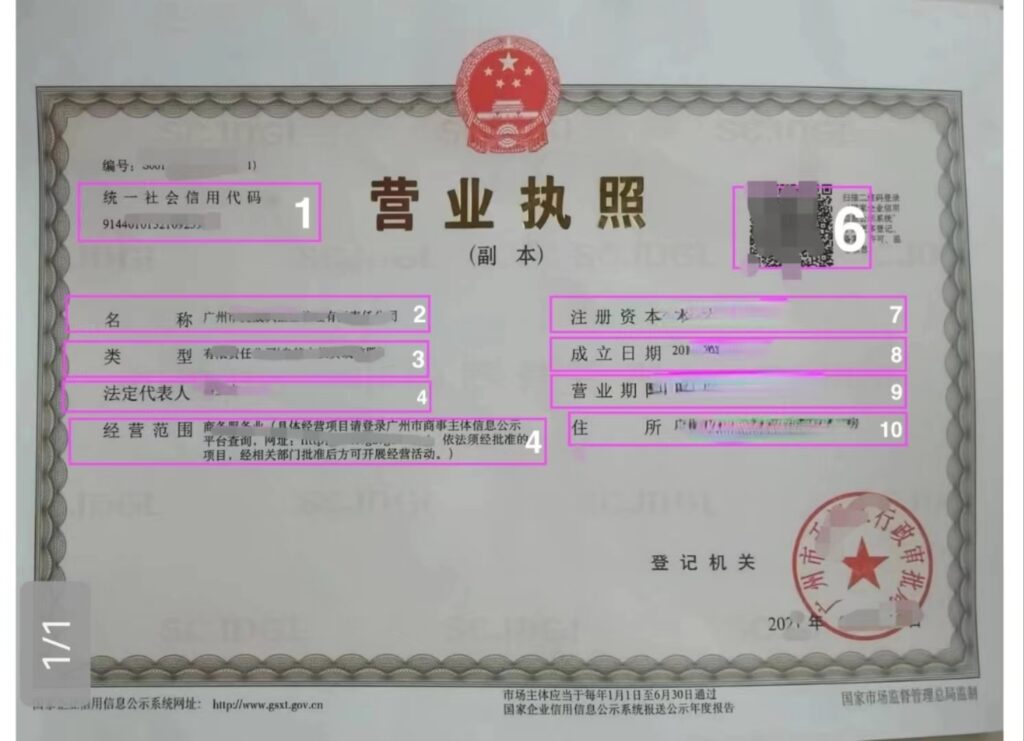
            Last but not least, make every effort to verify the supplier’s true identity. Even if you have done everything else perfectly, failing to properly complete this final step can be a major disaster.Ask your supplier to provide a copy of their business license, and ask your lawyer to conduct a due diligence investigation on the potential supplier. If the supplier cannot provide a license, or if your lawyer deems it risky to do business with them, then terminate the deal immediately. We have explained this process in detail in our previous post: How to Avoid Being Scammed When source from China?

            How to Avoid Being Scammed When source from China?

            From time to time, we receive inquiries from clients seeking help in recovering their funds. More often than not, these clients have fallen victim to scams where suppliers disappear after receiving deposits. Some clients receive products with significant shortages, while others receive inferior quality products that are worthless. So how do you avoid being scammed?

            The most critical step is to ensure that you are dealing with a registered Chinese company. Sadly, many companies claiming to be Chinese companies are not registered with Chinese corporate authorities ( Administration for Market Regulation ). The information they provide on e-commerce platforms, websites, email addresses, or business cards may be false, designed to deceive unsuspecting buyers.

            1. Check the business license

            To verify that you are dealing with a legitimate Chinese company, request a copy of their business license and have someone who speaks Chinese and understands Chinese business licenses examine it ( You may check our previous post to know more about it: What Can We Learn from the Business License?) Look for information on the license such as the year the company was formed, its location, and the scope of its business. Of course, you can always approach us anytime to check that and provide you a basic due diligence report.

            Another way to verify their authenticity is to ask them to provide the information and compare it with the information you found yourself. Any inconsistencies in the provided information are a red flag, and you should walk away.

            make sure you are dealing with a registered Chinese company and check the business license  is important to avoid being scammed

            2. How about a Hong Kong company?

            Another issue we would like to address is the prevalence of shell companies registered in Hong Kong. Before China’s opening-up policy, many Hong Kong-registered companies were legitimate trading companies that sold products purchased from mainland China. After the opening-up of China, some Chinese factories opted to open Hong Kong companies to sell their products directly to overseas markets. However, many Hong Kong companies are incorporated with malicious intent, specifically to defraud buyers.

            If you are aware of the Hong Kong company’s history, that’s fine.

            However, if the Hong Kong company is opened by a factory located in mainland China, we highly recommend that you sign the contract directly with the factory. This is because even if the business is legitimate, the Hong Kong company typically has no assets. As a result, even if you win a case, you cannot enforce the judgment. Instead, sign the contract directly with the factory, specifying that the jurisdiction is in mainland China and that the applicable law is the law of the People’s Republic of China.

            If you are unsure of the identity of a Hong Kong company, it’s best to walk away. It’s better to be safe than sorry.